

ในการปฏิบัติภารกิจระงับอัคคีภัยและความปลอดภัยในโรงงาน การเตรียมความพร้อมและจัดสเปกอุปกรณ์บนรถดับเพลิง (Apparatus Equipment Spec) ถือเป็นปัจจัยชี้ขาดที่แยกความแตกต่างระหว่างรถดับเพลิงทั่วไปกับรถรบเฉพาะกิจ (War Wagon) การเลือกใช้อุปกรณ์ที่ไม่ครอบคลุมอาจทำให้ทีมผจญเพลิงขาดความยืดหยุ่นในสถานการณ์วิกฤต บทความนี้จะพาท่านเจาะลึกกระบวนการ War Wagon Loadout ตามหลักมาตรฐานสากล NFPA (National Fire Protection Association) เพื่อยกระดับขีดความสามารถทางยุทธวิธี เพิ่มความปลอดภัย และช่วยให้ผู้ปฏิบัติงานสามารถนำไปประยุกต์ใช้ในการจัดสเปกอุปกรณ์บนรถดับเพลิงในการใช้งานจริงได้อย่างมีประสิทธิภาพสูงสุด
Key Takeaways: จุดสำคัญที่ต้องรู้
- ความยืดหยุ่นของหัวฉีด (Nozzle Adaptability): การเลือกใช้หัวฉีดทั้งแบบปรับอัตราการไหล (Selectable Fog Nozzle) และหัวฉีดลำตรง (Smooth Bore) ช่วยเพิ่มทางเลือกในการปฏิบัติงาน
- อุปกรณ์เสริมเฉพาะกิจ: การติดตั้งหัวฉีดงอ (Bent Tip), หัวฉีดห้องใต้หลังคา (Cellar Nozzle), และชุดหัวฉีดโฟม (Foam Inductor) ช่วยรับมือเพลิงไหม้ซับซ้อน
- การประยุกต์ใช้ชุดอุปกรณ์อาคารสูง (Standpipe Kit): ชุดเกจและวาล์วควบคุมแรงดันสามารถนำไปประยุกต์ใช้ขยายแนวสายส่งน้ำในพื้นที่กว้างนอกเหนือจากอาคารสูงได้
ทำความเข้าใจแก่นแท้ของ War Wagon Loadout ในการปฏิบัติงาน
เมื่อหน่วยดับเพลิงหรือสถานประกอบการอุตสาหกรรมต้องจัดหารถดับเพลิงคันใหม่ การทำ War Wagon Loadout ถือเป็นหัวใจสำคัญที่จะกำหนดศักยภาพในการระงับเหตุ ตามคำแนะนำของสถาบันระดับโลกอย่าง IFSTA รถดับเพลิงประสิทธิภาพสูงต้องได้รับการติดตั้งอุปกรณ์และหัวฉีดที่ออกแบบมาเพื่อรองรับโครงสร้างอาคารและประเภทเชื้อเพลิงที่หลากหลาย
1. การเลือกสรรหัวฉีดสำหรับสายส่งน้ำขนาดเล็กและขนาดกลาง
- หัวฉีดสำหรับสาย 1 นิ้ว (1-inch Line): ควรเลือกใช้หัวฉีดแบบปรับอัตราการไหลได้ (Selectable Fog Nozzle เช่น รุ่น Phantom) ซึ่งช่วยให้ผู้ปฏิบัติงานสามารถปรับอัตราการไหลตั้งแต่ 15 ถึง 60 แกลลอนต่อนาที (GPM) ได้อย่างคล่องตัว เหมาะสำหรับเพลิงไหม้รถยนต์ ถังขยะ หรือไฟป่า
- หัวฉีดลำตรงพร้อมหัวต่อพิเศษ (Smooth Bore with Bent Tip & Stacked Tips): การติดตั้งหัวฉีดปลายงอ (Bent Tip) ร่วมกับชุดปลายซ้อน (Stacked Tips) ช่วยให้นักดับเพลิงสามารถยิงน้ำเข้าสู่ช่องว่างโครงสร้างอาคารไม้แบบโบราณ (Balloon Frame) หรือซอกมุมใต้หลังคาได้โดยไม่ต้องรื้อทำลายโครงสร้างทั้งหมด
2. อุปกรณ์สร้างโฟมและหัวฉีดเฉพาะทาง (Foam Systems & Special Nozzles)
ในกรณีที่ต้องเผชิญกับเหตุเพลิงไหม้ของเหลวไวไฟหรือน้ำ 1. รถดับเพลิงจำเป็นต้องติดตั้งชุดผสมโฟม (Foam Inductor) และหัวฉีดสร้างฟองโฟมขยายตัว (Foam Expansion Nozzle) ที่เปลี่ยนสภาพน้ำยาให้กลาย เป็นโฟมเนื้อแน่นเสมือนครีมโกนหนวด ช่วยปกคลุมผิวหน้าของเหลวไวไฟได้อย่างรวดเร็ว นอกจากนี้ การมีหัวฉีดประเภท Breiser และ Cellar Nozzle ยังช่วยให้สามารถดับเพลิงในพื้นที่ใต้พื้นหรือหลังคารั่วซึม (Rain Roof) ที่เข้าถึงยากได้อย่างปลอดภัย
การแก้ปัญหาเฉพาะเหตุการณ์: วิธีรับมือเมื่อ “อุปกรณ์เฉพาะทางชำรุด หรือไม่มีหัวฉีดพิเศษในรถ”
ในสถานการณ์หน้างานฉุกเฉินจริง ทีมผจญเพลิงอาจพบข้อจำกัด เช่น อุปกรณ์หัวฉีดเฉพาะทางถูกใช้งานไปแล้วหรือชำรุดเสียหาย ประสบการณ์ตรงจากทีมนักดับเพลิงมืออาชีพมีแนวทางแก้ไขเฉพาะหน้าดังนี้ครับ:
- กรณีไม่มีหัวฉีดปลายงอ (Bent Tip) สำหรับฉีดเข้าช่องโครงสร้างอาคาร: ให้ถอดหัวฉีดปลายตรงออก แล้วใช้ประแจหรือคีมดัดท่อปลายสายชั่วคราว หรือใช้เทคนิคการถอดปลอกหัวฉีดออกเพื่อปรับเปลี่ยนมุมการพ่นละอองน้ำให้เกิดองศาที่สามารถสอดเข้าช่องว่างแคบๆ ได้ หรือใช้หัวฉีดปรับฝอย (Fog Stream) ระยะประชิดเพื่อสร้างม่านน้ำดันควันออก
- กรณีไม่มีชุดผสมโฟม (Foam Inductor) ที่รถปั๊มน้ำ: ให้ใช้ถังเคมีโฟมแบบสะพายพกพา (Portable Foam Extinguisher) เข้าสมทบแนวหน้าทันที หรือใช้วิธีการปรับหัวฉีดให้เป็นละอองน้ำฝอยละเอียด (Wide Fog) เพื่อช่วยระบายความร้อนและควันหนาแน่นแทนการใช้โฟมในกรณีฉุกเฉิน
หลักการทางวิทยาศาสตร์และกลศาสตร์ของของไหล (Fluid Mechanics)
การวิเคราะห์ทางวิทยาศาสตร์ช่วยให้เข้าใจการทำงานของอุปกรณ์บนรถดับเพลิง:
- พลศาสตร์ของของไหลและการกระจายตัวของละอองโฟม (Fluid Dynamics & Foam Expansion): การผสมสารเคมีดับเพลิงเข้ากับน้ำผ่านชุด Foam Inductor อาศัยหลักการเวนทูรี (Venturi Effect) เพื่อสร้างแรงดันลบดูดน้ำยาเข้าสู่กระแสธารน้ำ ก่อนจะถูกตีผสมกับอากาศที่หัวฉีดโฟมเพื่อขยายปริมาตรฟองโฟมให้ปกคลุมเชื้อเพลิง
- ความต้านทานการไหลและการลดแรงดัน (Friction Loss Management): การเลือกขนาดสายส่งน้ำที่เหมาะสม (เช่น การใช้ชุด Standpipe Kit ขยายแนวสาย 2.5 นิ้ว) ช่วยลดการสูญเสียแรงดันตามความยาวสาย ส่งผลให้ปริมาณน้ำ (GPM) ที่ปลายทางยังคงมีประสิทธิภาพสูงตามหลักการของเบอร์นูลลี
การปรับประยุกต์ใช้เพื่อความปลอดภัยในโรงงานอุตสาหกรรมและอาคารสูง
ในพื้นที่อุตสาหกรรมขนาดใหญ่ คลังเก็บสารเคมี หรือนิคมอุตสาหกรรมมาบตาพุด จังหวัดระยอง การประยุกต์ใช้แนวคิด War Wagon Loadout มีแนวทางปฏิบัติที่สำคัญดังนี้:
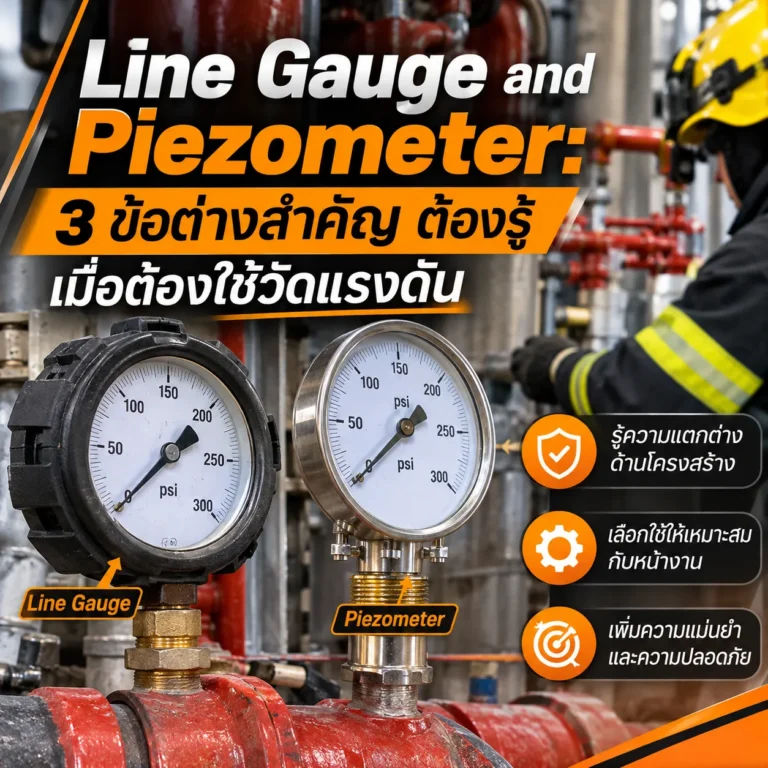
- การติดตั้งชุดอุปกรณ์อาคารสูงประจำรถ (High-Rise Kit Standardization): รถดับเพลิงประจำโรงงานควรติดตั้งชุดวาล์วและเกจวัดแรงดัน (Gate and Gauge) ไว้บนรถเสมอ แม้โรงงานจะไม่มีอาคารสูง แต่ชุดอุปกรณ์นี้สามารถนำไปประยุกต์ใช้เป็นจุดควบคุมแรงดันกลางเมื่อต้องลากสายส่งน้ำระยะไกล (Extended Line) ในพื้นที่คลังสินค้าขนาดใหญ่ได้
- การฝึกอบรมการใช้งานอุปกรณ์เฉพาะทาง: จัดให้มีการฝึกซ้อมภาคสนามให้พนักงานคุ้นเคยกับการติดตั้งชุดปั๊มโฟมและหัวฉีดพิเศษ เพื่อให้สามารถปฏิบัติงานจริงได้อย่างรวดเร็วตามมาตรฐานของสถาบัน TOSH
คำถามเช็กความเข้าใจในการปฏิบัติงาน (Safety Check Quiz)
- ข้อดีหลักของการใช้หัวฉีดแบบปรับอัตราการไหล (Selectable Fog Nozzle) บนสายส่งน้ำขนาด 1 นิ้วคืออะไร?
- ชุดอุปกรณ์ Standpipe Kit สามารถนำไปประยุกต์ใช้นอกเหนือจากอาคารสูงในสถานการณ์ใดได้บ้าง?
- หัวฉีดประเภทใดที่ออกแบบมาเพื่อให้ได้ฟองโฟมเนื้อแน่นเสมือนครีมโกนหนวดสำหรับดับเพลิงของเหลวไวไฟ?
เซกชัน FAQ: คำถามที่พบบ่อย
- Q1: War Wagon Loadout คืออะไร?
- A: คือกระบวนการคัดเลือกและจัดสเปกเครื่องมือ อุปกรณ์ และหัวฉีดบนรถดับเพลิง เพื่อยกระดับขีดความสามารถทางยุทธวิธีในการระงับอัคคีภัย
- Q2: ทำไมรถดับเพลิงจึงควรติดตั้งหัวฉีดปลายงอ (Bent Tip)?
- A: เพราะช่วยให้สามารถฉีดน้ำเข้าสู่ช่องว่างโครงสร้างอาคารหรือใต้หลังคาที่เข้าถึงยากได้โดยไม่ต้องรื้อทำลายโครงสร้างทั้งหมด
- Q3: ชุด Standpipe Kit มีประโยชน์อย่างไรในการปฏิบัติงานภาคสนามทั่วไป?
- A: สามารถนำมาใช้เป็นจุดควบคุมและปรับลดแรงดันน้ำสำหรับการลากสายส่งน้ำระยะไกลจากตัวรถได้
ศูนย์ฝึกอบรมความปลอดภัยและดับเพลิงมาตรฐานสากล TFGC
ศูนย์ฝึกอบรมความปลอดภัยและดับเพลิงมาตรฐานสากล TFGC (Tactical Fire Guard Training Center) ตั้งอยู่ในจังหวัดระยอง พร้อมให้บริการฝึกอบรมหลักสูตรความปลอดภัย อาชีวอนามัย และการระงับอัคคีภัยแก่ภาคอุตสาหกรรมในพื้นที่ภาคตะวันออก นิคมอุตสาหกรรมชลบุรี ระยอง และทั่วประเทศ
- จุดเด่นของเรา: เน้นการฝึกปฏิบัติจริงด้วยการจำลองสถานการณ์ทับซ้อน เพื่อให้ผู้เข้าอบรมได้ใช้ศักยภาพเต็มรูปแบบ ปรับเนื้อหาตามหน้างานจริง รองรับโรงงานยาง, น้ำมัน, โรงพยาบาล อาคารสูง รวมถึงกลุ่มนิคมอุตสาหกรรม ครอบคลุมหลักสูตรอบรมดับเพลิงขั้นต้น, อบรมดับเพลิงขั้นสูง, Petro Fire, Chemical Fire, Electric Fire, Fire Solar, Fire EV, Fire Watch และอบรมดับเพลิงเฉพาะทาง
- ช่องทางการติดต่อ:
- Website: https://tfgc-safety.com/
- LINE Official: https://lin.ee/VJZXUjD
- Facebook: TFGC Training Center
- TikTok: @tfgc.training_center
- Youtube: TFGC YouTube Channel
- เบอร์โทรติดต่อ: 099 939 5416
แหล่งอ้างอิงสากล: สถาบันส่งเสริมความปลอดภัย อาชีวอนามัย และสภาพแวดล้อมในการทำงาน (TOSH)
English Content Translation
War Wagon Loadout: 3 Essential Apparatus Equipment Specs When Equipping Fire Engines
In industrial safety and fire suppression operations, apparatus equipment specification and preparation determine the operational divide between standard fire engines and specialized tactical war wagons. Failing to equip comprehensive tools strips fire attack teams of tactical flexibility during critical incidents. This article explores the process of War Wagon Loadout according to international NFPA (National Fire Protection Association) standards to enhance tactical capabilities, improve safety, and empower personnel to execute fire apparatus specifications accurately in actual operations.
Key Takeaways
- Nozzle Adaptability: Utilizing selectable fog nozzles and smooth bore options expands operational versatility.
- Specialized Auxiliary Equipment: Equipping bent tips, cellar nozzles, and foam inductors ensures readiness for complex fires.
- Standpipe Kit Adaptability: Pressure control gate and gauge kits can extend hose lines across expansive ground-level areas beyond high-rises.
Understanding the Core of War Wagon Loadout in Operations
When fire departments or industrial facilities procure new apparatus, mastering War Wagon Loadout dictates suppression potential. Per guidance from global organizations like IFSTA, high-performance engines require appliances and nozzles engineered to handle diverse structural designs and fuel classes.
1. Selecting Nozzles for Small and Intermediate Hose Lines
- 1-Inch Line Nozzles: Selectable fog nozzles (such as the Phantom model) allow operators to adjust flow rates from 15 to 60 GPM flexibly, ideal for vehicle, dumpster, or wildland fires.
- Smooth Bore with Bent Tip & Stacked Tips: Equipping bent tips alongside stacked tips enables firefighters to project water streams into balloon frame construction voids or attic spaces without demolishing entire structures.
2. Foam Systems and Specialized Nozzles
When confronting flammable liquid fires, apparatus require foam inductors and foam expansion nozzles that transform water into shaving-cream-like foam blankets to seal liquid surfaces rapidly. Additionally, Breiser and cellar nozzles ensure safe suppression in difficult-to-reach subfloor or rain roof voids.
Handling Unexpected Conditions: Managing Damaged Specialized Equipment in the Field
In real-world field emergencies, response teams may encounter missing or damaged specialized nozzles:
- Scenario: No Bent Tips Available for Structural Voids: Detach straight tips and temporarily modify nozzle angles using pliers, or utilize wide fog stream patterns at close range to push thermal layers and smoke away from entry points.
- Scenario: No Foam Inductor Available on Pump Panels: Deploy portable backpack foam extinguishers immediately, or adjust nozzles to wide fog patterns to provide cooling and vapor suppression during emergency interventions.
Scientific Principles and Fluid Mechanics
Scientific analysis clarifies apparatus equipment mechanics:
- Fluid Dynamics and Foam Expansion: Chemical induction via foam inductors utilizes the Venturi effect to create negative pressure, drawing concentrates into water streams before aeration at expansion nozzles.
- Friction Loss Management: Selecting correct hose sizes (such as utilizing standpipe kits to extend 2.5-inch lines) minimizes friction loss, ensuring high nozzle GPM performance per Bernoulli’s principle.
Adapting for Industrial Safety and High-Rises
Within large industrial plants, chemical storage terminals, or industrial estates like Map Ta Phut, Rayong Province, applying War Wagon Loadout concepts involves key protocols:
- High-Rise Kit Standardization: Industrial engines should carry standpipe gate and gauge kits. Even without high-rises, these kits serve as intermediate pressure control stations when stretching extended hose lines across expansive warehouses.
- Specialized Equipment Training: Conduct practical drills ensuring personnel master foam system setups and specialized nozzle deployments per TOSH standards.
Safety Check Quiz
- What is the primary operational advantage of utilizing selectable fog nozzles on 1-inch hose lines?
- In what ground-level scenario can standpipe kits be adapted beyond high-rise buildings?
- Which nozzle type is engineered to produce shaving-cream-like foam for flammable liquid suppression?
Common Operational Errors and Corrective Actions
- Error 1: Equipping apparatus with single-volume nozzles lacking tactical flow adjustability.
- Impact: Limits operational adaptability when encountering varied fire scales.
- Corrective Action: Standardize selectable fog and stack tip options per War Wagon Loadout specifications.
- Error 2: Neglecting routine maintenance on foam inductors and auxiliary appliances.
- Impact: Valve jamming or chemical clogs during emergency foam operations.
- Corrective Action: Establish routine flushing and inspection schedules per NFPA guidelines.
FAQ: Frequently Asked Questions
- Q1: What is a War Wagon Loadout?
- A: The process of selecting and specifying tools, appliances, and nozzles on fire apparatus to maximize tactical fire suppression capabilities.
- Q2: Why should engines carry bent tip nozzles?
- A: They allow water streams to reach inaccessible structural voids and rain roof spaces without total structural demolition.
- Q3: How do standpipe kits assist in general field operations?
- A: They function as pressure control and reduction stations when stretching extended hose lines far from apparatus.
Tactical Fire Guard Training Center (TFGC)
Tactical Fire Guard Training Center (TFGC), located in Rayong Province, provides professional safety, occupational health, and fire suppression training for industries across the Eastern region, Chonburi, Rayong, and nationwide.
- Our Strengths: Emphasis on practical hands-on training through multi-layered simulation technologies, adhering to international NFPA standards and customized to real workplace conditions—supporting rubber plants, oil facilities, hospitals, high-rise buildings, and industrial estates. Covering Basic Firefighting, Advanced Firefighting, Petro Fire, Chemical Fire, Electric Fire, Solar Fire, EV Fire, Fire Watch, and specialized firefighting courses.
- Contact Channels:
- Website: https://tfgc-safety.com/
- LINE Official: https://lin.ee/VJZXUjD
- Facebook: TFGC Training Center
- TikTok: @tfgc.training_center
- Youtube: TFGC YouTube Channel
- Phone: 099 939 5416
International Reference: Thailand Institute of Occupational Safety and Health (TOSH)